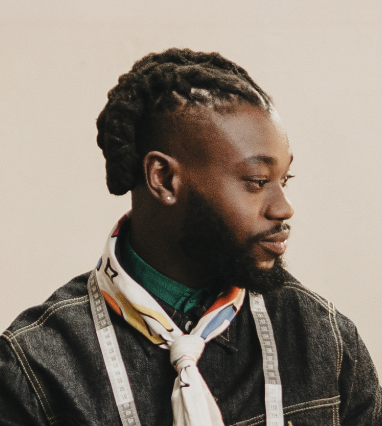
Born in the UK music hub of Bristol, Morse is a producer and DJ blending UK Bass, Dub and Breakbeat into high-energy sets built for your favourite club basement. Pulling influence from all sub-cultures of the UK scene, Morse’s mixes stay upbeat while carrying deep, heavy undertones.
INTERVIEW
What made you fall in love with DJing, and how has your approach evolved?
MORSE: I first started DJing about six years ago after having a go on a friend’s DDJ-400s. He let me borrow them for a while, and I ended up spending hours practicing and trying to perfect transitions between the heaviest UKG bootlegs I could find. That period was really where the obsession started, just digging for tracks and figuring out how to blend them in ways that felt exciting. In a lot of ways my approach hasn’t changed, I still spend a lot of time crafting specific blends and thinking about how different tracks will interact with each other. What has changed is the music I play and the overall intention behind my mixes. Early on it was mostly about playing the hardest tracks I could find, but now I’m more interested in showing people a wider range of sounds while still keeping that same heavy energy. I like building sets that move through different styles but still feel cohesive and powerful.
How do you craft a sound that feels personal while still connecting with a wider audience?
MORSE: I usually try to anchor each genre or section of a set with a few tracks that people already recognise; playing something familiar helps grab people’s attention and gives them a point of reference. From there, I like to follow it with other tunes that have a similar vibe but might be less well known. That way I can introduce people to new music while keeping them engaged, because they’ve already got a sense of where it sits within the music scene. It gives me the freedom to play the tracks I genuinely love while still making sure the crowd feels connected.
How do you keep your sets fresh and unpredictable?
MORSE: Before each set I always spend hours searching for new songs and testing out certain blends. I rarely play the same song across multiple sets, which helps keep things fresh and allows my sound to keep evolving.
Do you prefer to plan your sets in advance or go with the flow based on the crowd?
MORSE: It really depends on what sort of set I’m playing. During a club night I like to have a general plan, but the crowd’s energy always ends up dictating the music. For a radio or recorded set I like to plan things out more so I can really craft the blends and make the mix feel more polished and personal.
What’s a recent musical discovery that has excited or influenced you?
MORSE: I’ve recently discovered some really dub-inspired techno tunes, such as Cut Off by Tighe, which has inspired me to start using a lot more dub influence in the music I produce. There’s something about the space, the delays and the weight of those tracks that I find really interesting. I’m excited to see how I can incorporate that into my own music in the future, and also to keep digging for more of those sounds to bring into my future sets.
The life of a DJ can be demanding. How do you maintain balance and take care of your mental health?
MORSE: It’s very easy to get caught up in creating music, playing music, finding music, and constantly wanting to improve. I’ve found that this can create a lot of pressure and internal judgement when things aren’t going perfectly. When I start to feel like that, I like to take some time away and focus on something else I enjoy. I also like listening to non-electronic music when I’m in that headspace, as I can sometimes find myself analysing and dissecting tracks without meaning to, which isn’t very relaxing when I’m trying to take a break from it.
How do you see yourself within the music scene and the world at large what impact do you hope to have?
MORSE: As a white man in the electronic music scene I’m aware that I’m in a very privileged position, and that there are opportunities available to me that aren’t always as accessible to others. As I spend more time in the scene, I hope to use whatever platform I have to support and highlight the amazing female DJs and people of colour who hold such an important place in electronic music. I want to work with people who are pushing the scene in a more inclusive direction and helping make sure it stays open and welcoming to everyone. At the end of the day the dance floor is about sharing cultures, connecting with people and having fun, so ideally it’s a space where hierarchy and inequality don’t have a place.
What’s one lesson or piece of advice that has stuck with you throughout your career?
MORSE: Playing sets used to make me really nervous, so a good friend of mine told me something very simple that helped a lot. He told me to have four first songs that I feel really comfortable with, and from there everything flows. It’s worked a charm so far.
What do you think DJs can do to push the scene forward in a more meaningful way?
MORSE: DJs have a lot of influence over the people who come to see them, which they might not always realise. Being open about your values and beliefs can make a big difference in shaping the attitudes of the people around the scene. Hearing DJs speak out about inequalities they’ve witnessed, or using their platform to make a political statement, can be really powerful and is one way DJs can help push the scene in a more positive direction.
If you could curate your dream lineup for a festival or event, who would be on it?
MORSE: My ideal festival lineup would be very much electronica based, including: FourTet, Joy Orbison, 1800 Girls and Wallace. Maybe a second stage for a Brighter Days Family all night long that would be pretty great.
What’s a festival, venue, or country you dream of performing in, and why?
MORSE:The acid breakbeat and techno scene in Morocco seems like it’s absolutely popping at the moment, with DJs hosting some crazy festivals like Dave Clarke and Kosh, who I take a lot of inspiration from at the moment. Morocco also just seems like such a great place - good food, good weather, good music. What more could you want?
Outside of music, is there a passion project or creative goal you’d love to explore?
MORSE: I used to be really into graphic design, especially digital collage. That’s something I think will always look great and it’s something I’m planning on picking up again when I get more spare time. I’d also love to link that back into music, whether that’s designing posters, artwork for releases, or visuals connected to events and mixes.
SONOS CLUB is an initiative from Sounds of Craft Records, designed to highlight the eclectic electronic music scene through the perspectives of the BIPOC diaspora and marginalized communities, while being open to all.